eFoiling in Mauritius with Le Morne Brabant

eFoiling in Mauritius

eFOILING IN MAURITIUS

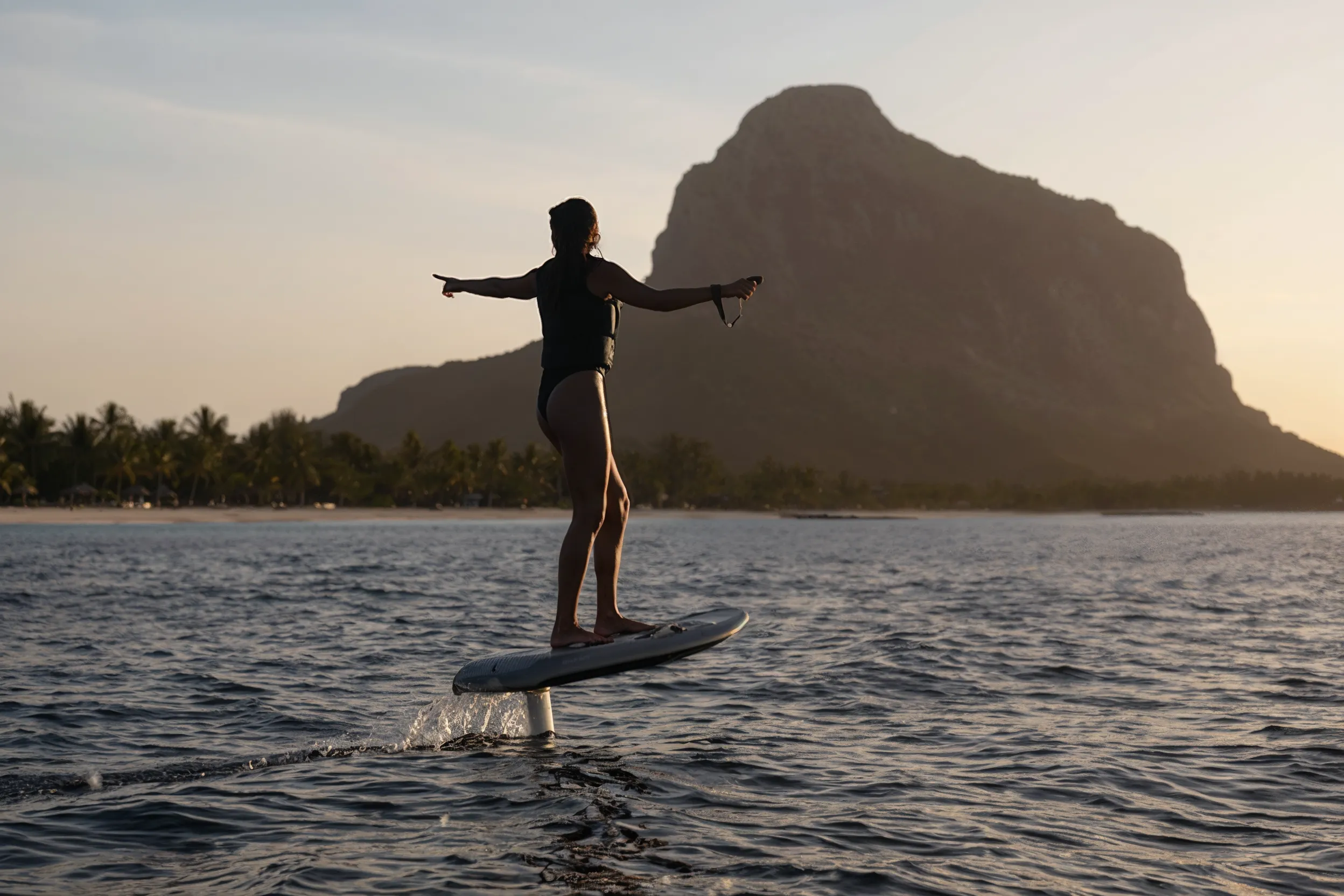
Electric hydrofoiling, often called eFoiling, is riding above the water on a motor-powered hydrofoil board.

What is eFoiling?

What is eFoiling

What is eFoiling

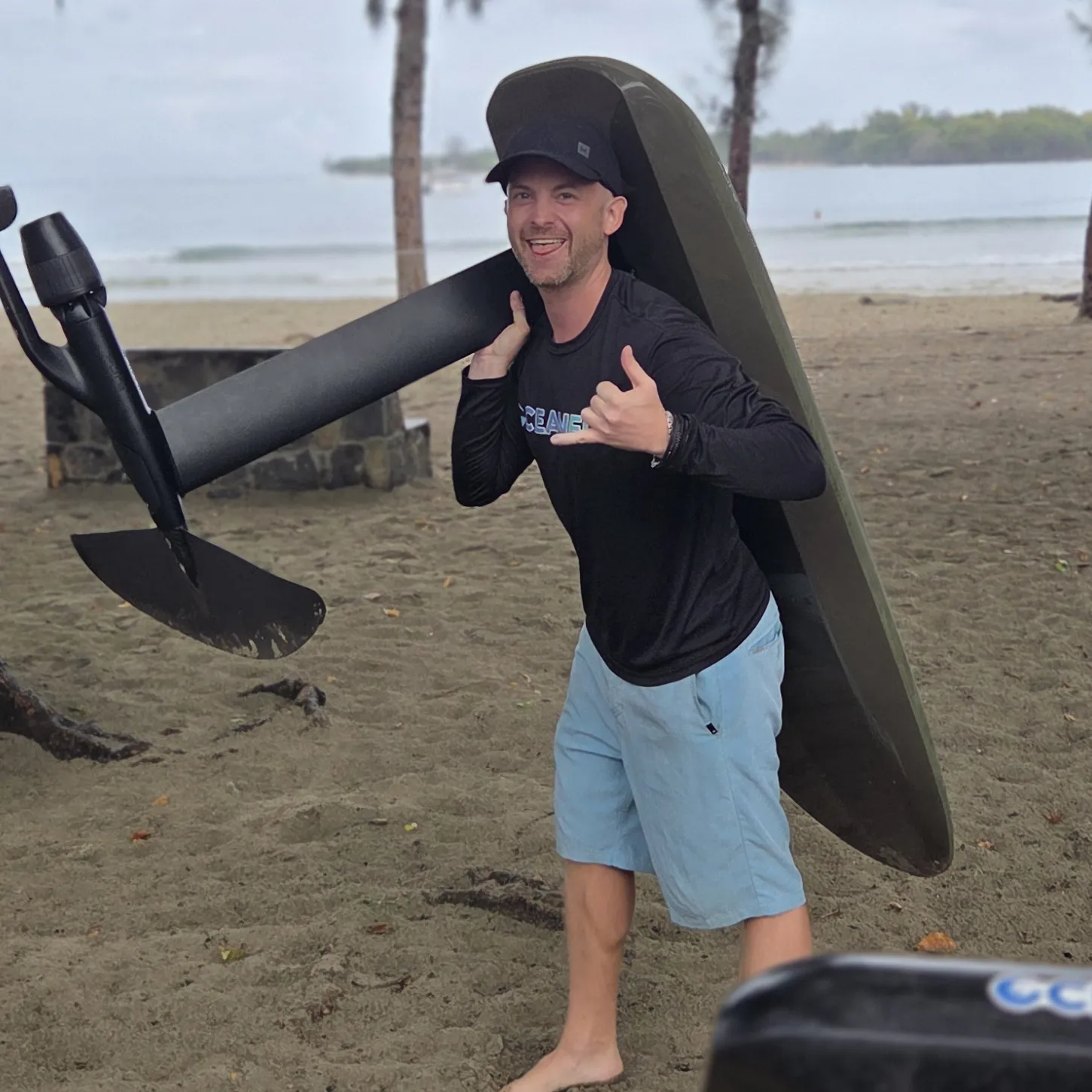
An eFoil is an electric surfboard with a submerged hydrofoil wing. As speed increases, the foil lifts the board above the water surface. Drag drops, noise is minimal, and the ride feels smooth and quiet compared to traditional motorized watercraft.

Unlike surfing or kitesurfing, eFoiling does not rely on waves or wind. Unlike jet skis, it creates little wake and operates at way lower noise levels.

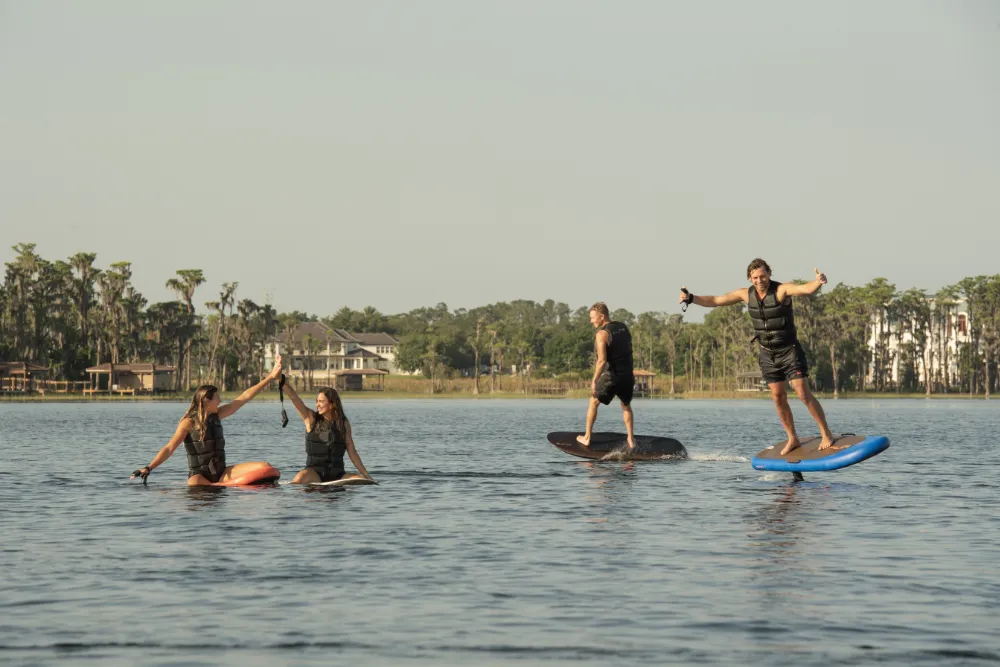
Group eFoiling fun in Mauritius

How an eFoil works

How an eFoil works

An eFoil system consists of five main parts:

Board

Board

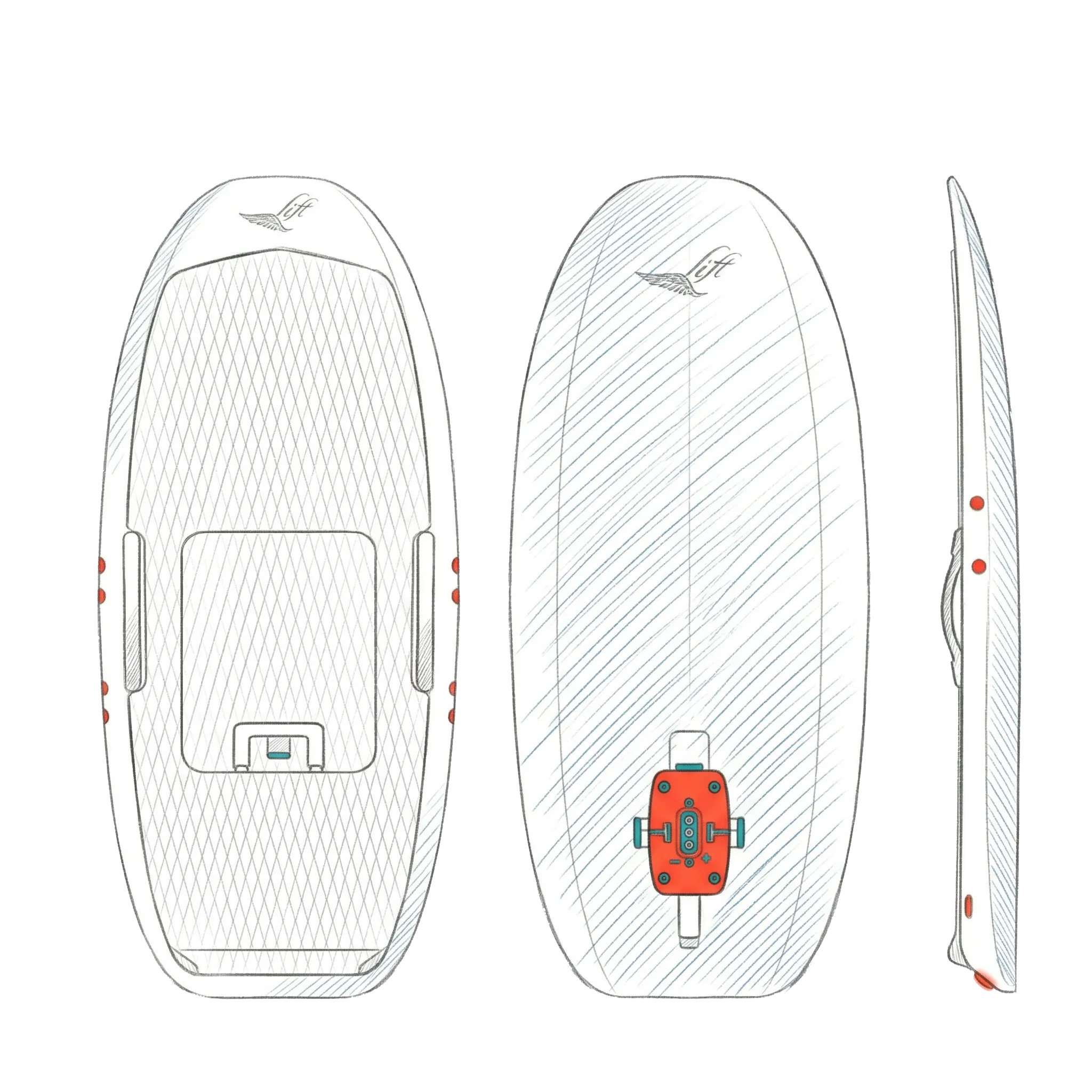
The board is your primary platform and provides the buoyancy you need to stand before taking flight. Bigger boards offer more stability for beginners, while smaller carbon fiber decks allow advanced riders to carve with more agility. It's the foundation where you stand and houses the battery that powers your session.

Mast

Mast

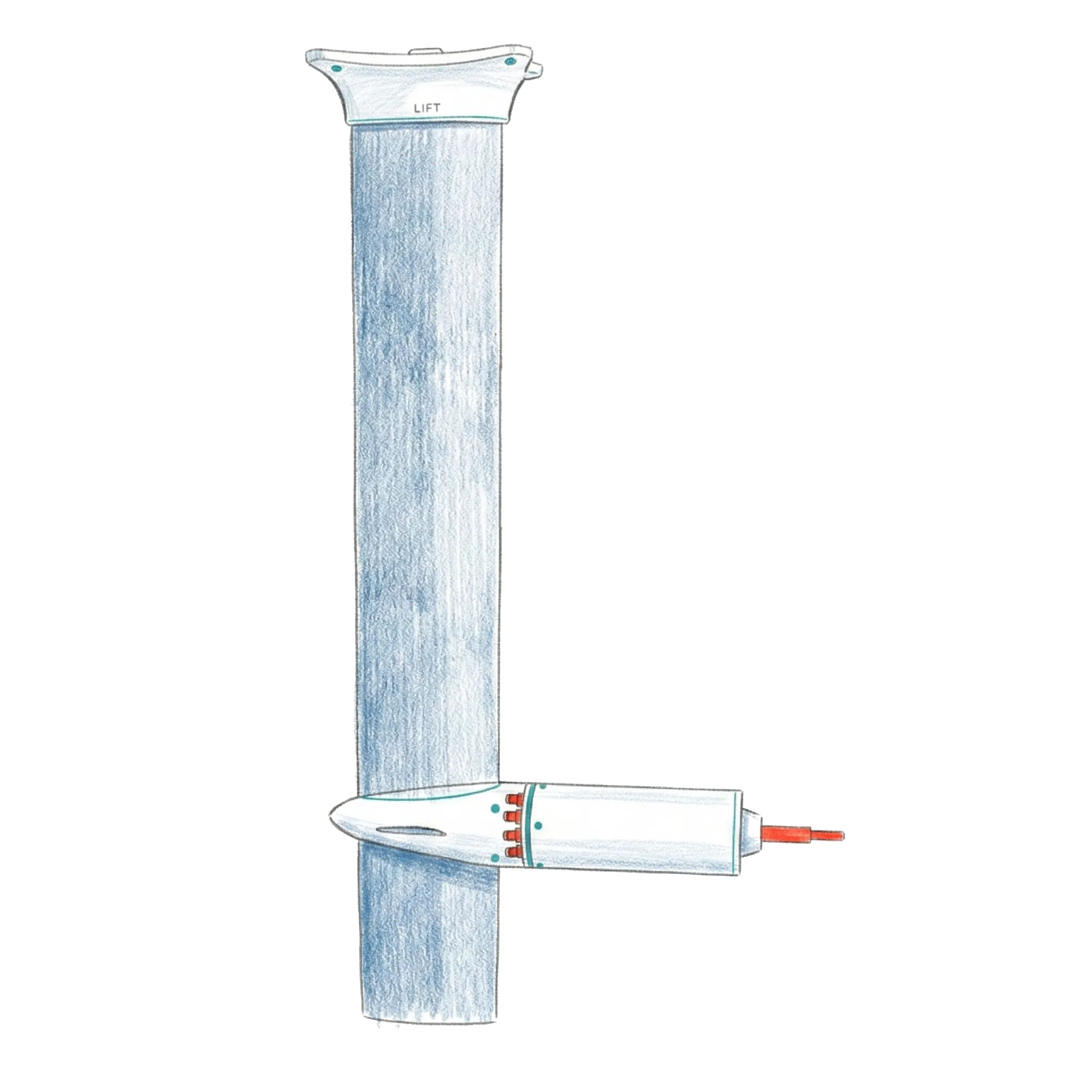
The mast is the vertical column that connects your board to the motor and wings underwater. A shorter mast is more stable and safer for shallow lagoons; a longer mast gives more clearance over chop. It's the "leg" of the system.

Foil (Front + Backwing)

Foil (Front + Backwing)

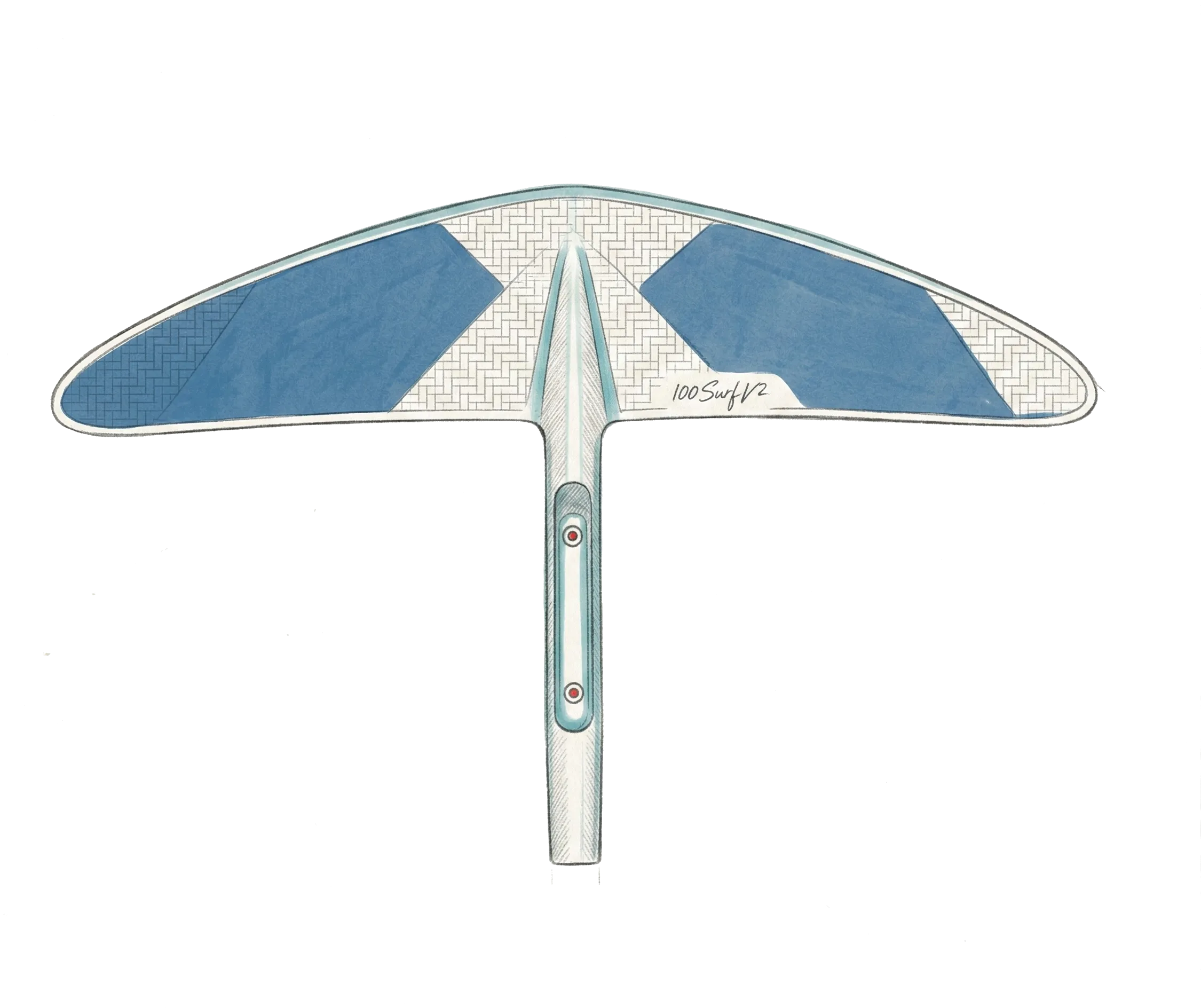
The foil has a front wing and a back stabilizer that work together underwater. The front wing creates the lift that pulls the board out of the water; the back wing keeps you level. Swap wings to change how fast or how stable the ride feels.

Motor and Battery

Motor and Battery

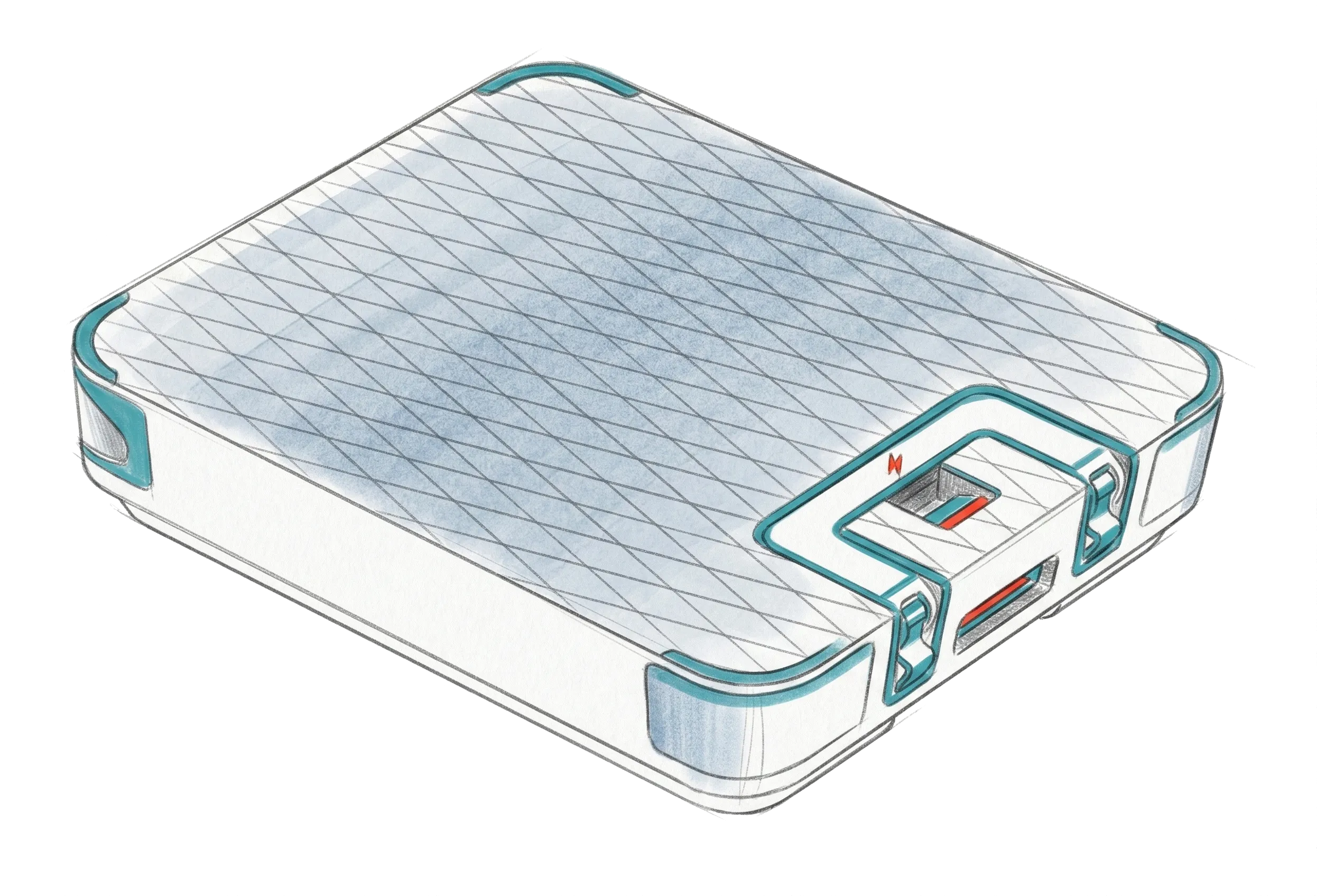
The lithium battery powers the board for the session. That power goes to a silent, brushless electric motor that pushes you onto the foil.

Hand Controller

Hand Controller

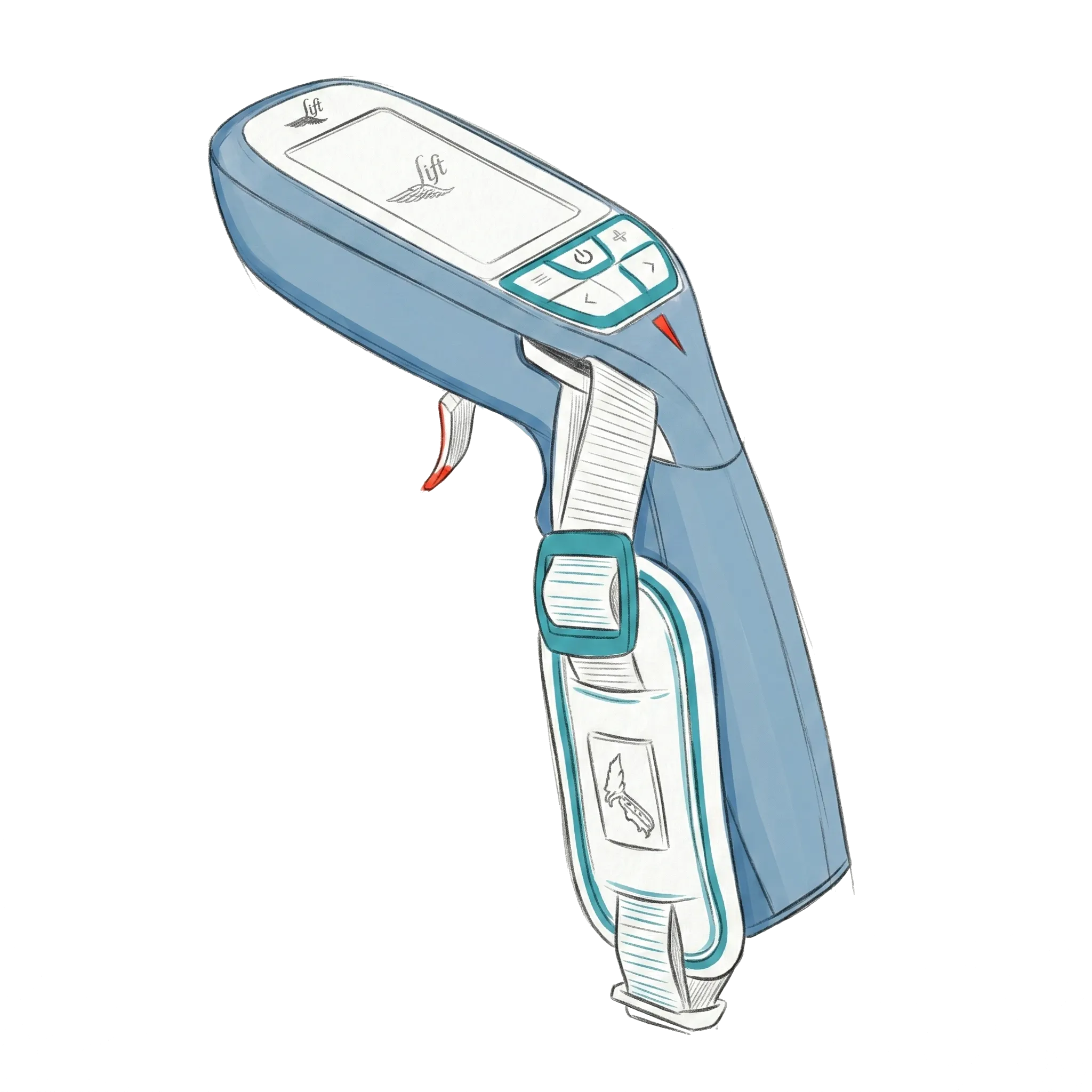
The wireless controller is your throttle, using a trigger to give you precise command over your speed and power settings. It features a built-in display to track battery levels and usually includes a safety leash to keep it secured to your wrist. For added safety, most systems are designed to float and automatically cut power to the motor the moment it detects a fall or loses connection.

How eFoiling differs from jet skis and boats

eFoils operate differently from conventional motorized craft:

  • Noise. Electric drive produces very low sound levels
  • Wake. Minimal wake when ridden correctly
  • Environmental impact. No fuel combustion and limited disturbance when used responsibly

What beginners should expect

Learning eFoiling

Most beginners start in calm water with low speed settings. Early sessions focus on balance, posture, and smooth throttle input. The goal at the beginning is not speed or height, but control and awareness.

Step 1

Belly start

You begin lying on the board, gliding on the water surface. This phase is about feeling the throttle response, steering with small weight shifts, and staying relaxed.

Step 2

Kneeling position

Once comfortable, you move to your knees. At this stage, many riders experience their first controlled lift. Flying on your knees is common and intentional, it allows you to feel the foil without the instability of standing.

Step 3

Standing up

From a stable kneeling flight, you slowly place one foot forward and stand up. The transition is gradual. Most crashes happen when riders rush this step or increase speed too quickly.

Step 4

Controlled flight

Standing flight at moderate speed comes last. Height is kept low, speed remains limited, and focus stays on smooth inputs rather than aggressive riding.

Who eFoiling is for

From teenagers to seniors. Accessible, but not effortless

You should:

  • Have a reasonable sense of balance
  • Be comfortable swimming in open water
  • Feel calm when falling into deep water
  • Be willing to follow instructions and progress step by step

You do not need prior surfing or board sports experience. Many successful riders start without it.

eFoiling may not be suitable if:

  • You are unable to swim confidently
  • You panic easily in open water
  • You expect instant results without practice

Where to ride

Lagoon vs Open Water

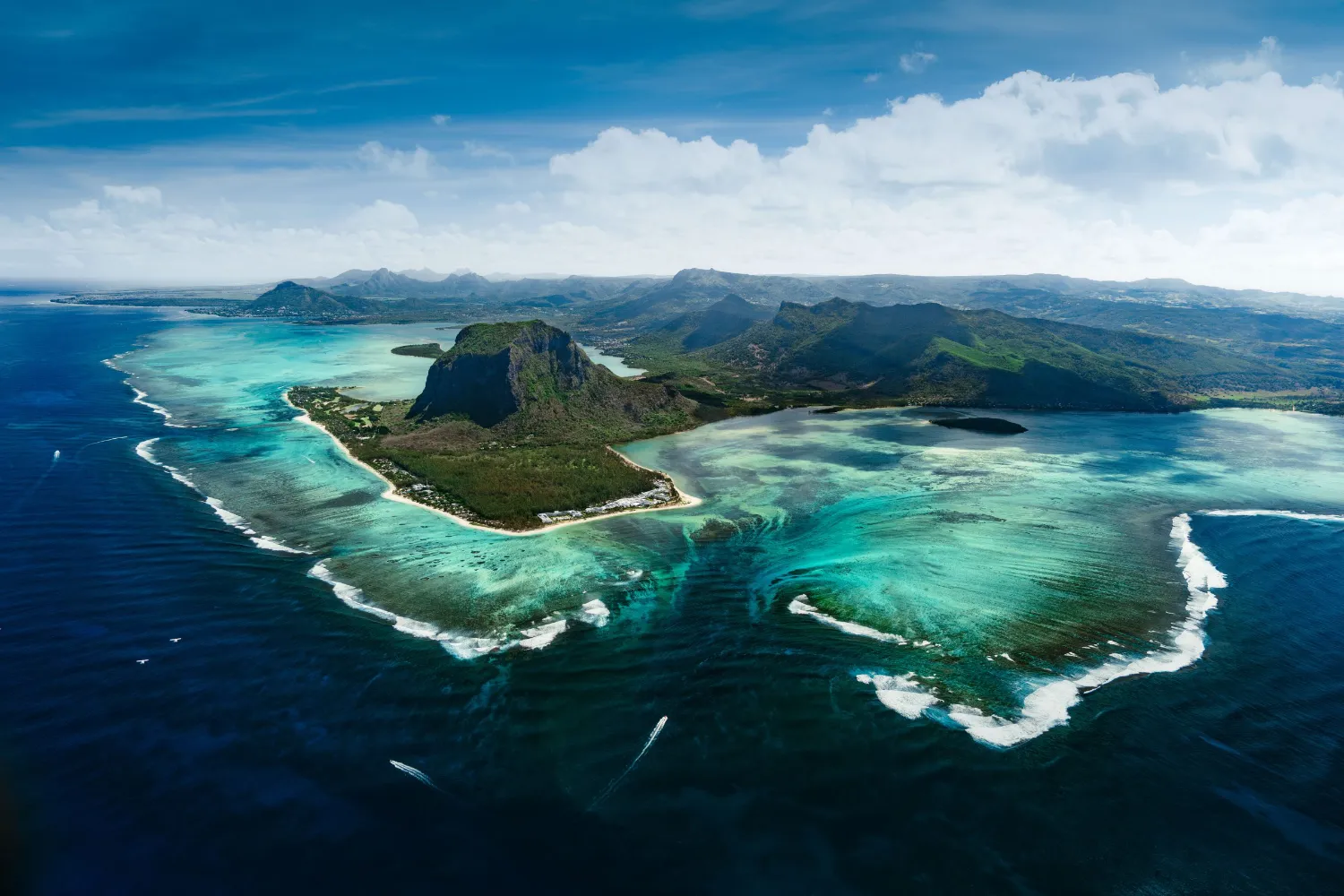
Mauritius is ringed by lagoons and reefs. That shapes where you can foil safely: flatter water inside the reef, more swell and space outside — but also shallow patches, coral, and other users to watch for.

Le Morne lagoon and open bay, Mauritius

Lagoons

Lagoons often appear inviting because the water is flatter and visually calm. At the same time, they demand extra caution.

  • Shallow areas can limit safe foil use
  • Hidden rocks and reef structures increase impact risk
  • Contact with coral and reef must be avoided to prevent damage
  • Lagoons are often shared with swimmers and other water users
  • Sudden depth changes can catch inexperienced riders off guard

Riding in lagoons needs precise control, depth awareness, and care around fragile reef. Stick to local zoning and right-of-way so access stays open for everyone.

Open bays

Open water offers more space and depth, but comes with different challenges.

  • Greater water depth allows safer foil clearance
  • More room to manage speed and direction
  • Exposure to swell, wind, and currents
  • Conditions can change quickly
  • Requires stronger situational awareness and planning

Pick the spot for the conditions and your experience — not for comfort alone.

Is eFoiling legal in Mauritius?

The legal situation around eFoiling in Mauritius is still evolving and not fully defined.

At present, eFoils are not completely covered by existing Mauritian regulations. They do not clearly fit into the category of “pleasure crafts”, which are regulated and licensed under the Tourism Authority Act 2006. At the same time, eFoils are motorized watercraft, which places them in a gray area between existing categories.

Current situation

  • eFoils are motorized, but they are not explicitly classified under current pleasure craft definitions
  • There is no specific licensing category that fully applies to eFoils today
  • Private, non-commercial use of eFoils is not prohibited
  • There are currently no licenses available for commercial eFoil activities such as schools or rentals

This means that while private ownership and use are possible, commercial operations fall outside the existing licensing framework.

What this means in practice

  • Individuals may use eFoils privately, provided they act responsibly and respect safety and access considerations
  • Organized commercial activities such as rentals or teaching operations are not formally licensed at this time
  • The absence of a clear category does not remove the obligation to operate safely and consider other water users

Ongoing regulatory work

The Tourism Authority is working on a framework for eFoiling — safety rules, environmental limits, and how eFoils share the water with other craft.

Rules may change as that framework develops. Stay informed and be ready to adapt.

Responsible eFoiling

Responsible eFoiling

Before every session: prep the gear, check conditions, and decide whether to go out.

Responsible use includes:

  • Keeping sufficient distance from swimmers, boats, and other water users
  • Riding at appropriate speeds for the conditions and the environment
  • Choosing suitable locations and times, based on visibility, traffic, and weather
  • Wearing appropriate safety equipment, including a helmet and a personal flotation device (PFD)
  • Never riding alone, having someone on shore or on the water who can assist in case of an issue
  • Checking equipment condition before entering the water
  • Handling boards, batteries, and foils carefully on land and in the water to avoid injury or damage

Ride so others still want eFoils on the water.

Buying an eFoil in Mauritius

Buying an eFoil in Mauritius is easy to underestimate — especially shipping and batteries.

eFoil batteries are large lithium units and are not permitted on passenger aircraft. Shipping them requires cargo transport, which takes time and involves hazardous-goods handling, documentation, and extra cost. Importing on your own is possible, but it often proves slower and more expensive than expected.

Importers who do this often already know the battery rules, shipping routes, and customs requirements. Using an established channel is usually easier and cheaper than arranging transport yourself.

When choosing an eFoil brand, it is important to think beyond the board itself:

  • Availability of local servicing
  • Access to spare parts
  • Technical support and diagnostics
  • Battery handling and replacement procedures

On an island, downtime caused by missing parts or delayed shipments can be significant. Local support matters.


Where eFoils are available locally

Mauritius has a small eFoiling scene: private owners, importers, and people who run demos.

OceanFly™ is one of the early dedicated eFoil brands in Mauritius. OceanFly™ is a certified Lift Foil and Flite reseller, and offers maintenance and technical service alongside board sales and supervised demo rides.

Availability, services, and brand support may change over time.

Ready to feel it?

Book a supervised demo at Tamarin Bay or explore boards in stock.

View Boards & Pricing

Official OceanFly website · Operated by Onyx Dynamics Ltd · e-foil.mu · [email protected] · +230 5478 0006